In this episode of Inside the Exchange, Christina Springstead shares practical insights on bookkeeping, cash flow management, nonprofit financial operations, and contractor accounting challenges.
Together with Shannon Hurles, the conversation explores the realities many business owners face when trying to understand their financial reports, manage cash flow, and make informed business decisions. Christina explains why bookkeeping is more than simply entering receipts into software — it’s about building a strong financial foundation that helps businesses grow sustainably.
Throughout the discussion, Christina emphasizes the importance of education, communication, financial clarity, and building systems that support long-term business success.
Key Insights from the Episode
1. Bookkeeping Is More Than Data Entry
Many business owners assume bookkeeping is simply organizing receipts or categorizing transactions. Christina explains that inaccurate bookkeeping creates poor financial reporting, making it difficult for owners to confidently make decisions about growth, investments, or operations.
2. GAAP vs. Bank Account Reality
One of the most impactful conversations focused on the disconnect between:
- what financial reports say,
- and what business owners actually see in their bank accounts.
Christina explains that traditional GAAP accounting can show a business as profitable “on paper,” while cash flow may tell a completely different story. This is especially common in construction and contractor-based businesses where timing, deposits, materials, and project costs heavily affect cash flow.
3. QuickBooks Certification Isn’t Everything
A strong point raised in the podcast was the misconception around QuickBooks certifications.
According to Christina, becoming QuickBooks Certified only proves someone understands how to use the software — not necessarily that they understand accounting strategy, financial structure, or business operations.
She encourages business owners to properly vet bookkeepers and accountants before hiring them.
4. Why Businesses Need Audit-Proof Books
Christina emphasizes that business owners should operate with the mindset that their books should always be able to withstand an audit.
Even if a business is never audited, having:
- organized records,
- proper classifications,
- clear documentation,
- and compliant accounting practices
creates stronger businesses, better reporting, and greater peace of mind.
5. Profit First for Contractors
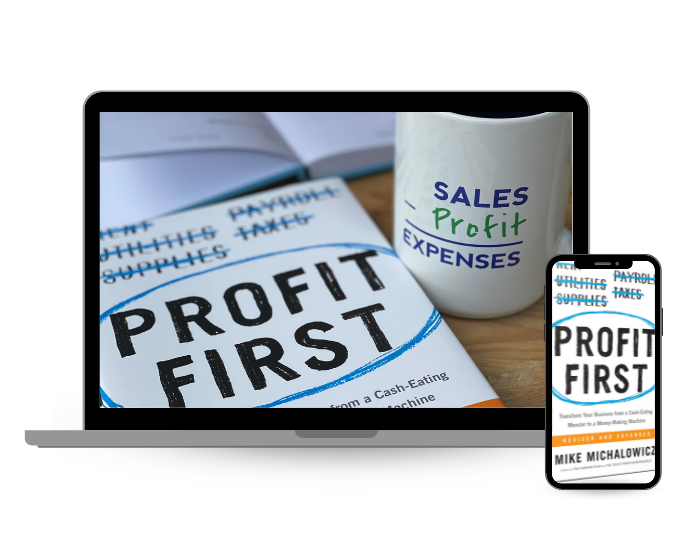
The episode also explored the Profit First system and why it works particularly well for contractors and service-based businesses.
Instead of looking at one large bank balance and making spending decisions emotionally, the Profit First approach allocates incoming cash into separate categories such as:
- profit,
- taxes,
- operating expenses,
- materials,
- and owner pay.
This method helps business owners better manage cash flow and avoid spending money that’s already committed elsewhere.
Main Lessons for Business Owners
- Financial clarity creates better decisions.
Understanding reports allows owners to confidently forecast, budget, and grow.
- Cash flow matters more than appearances.
A profitable business on paper can still struggle financially without proper cash management.
- The right financial partner matters.
Business owners need advisors who educate, communicate clearly, and help them understand their numbers without judgment.
- Systems create sustainability.
Whether nonprofit or for-profit, businesses need repeatable systems that support long-term growth and accountability.
- Business growth requires ongoing learning.
Successful leaders stay engaged in their financial education instead of treating accounting as “set it and forget it.”
This episode of Inside the Exchange serves as a reminder that financial management is not just about compliance — it’s about creating clarity, confidence, and sustainable growth. Through practical education and real-world experience, Christina Springstead continues helping business owners and organizations better understand the numbers behind their business so they can make smarter decisions for the future.